
← All blog posts
“Chatbots, Treatment, and Prevention, Oh My!” How AI Chatbots Could Shape Suicide Prevention and Healthcare Efforts that Address the Opioid Overdose Crisis
What are the roles and potential risks that AI chatbots can play in treating mental health and opioid use disorder?
The COVID-19 pandemic drastically changed how we approach and access healthcare today. Telemedicine and telehealth visits became regular practice to limit the amount of in-person interaction to decrease the risk of COVID-19 transmission and infection among frontline workers, other healthcare practitioners (HCPs), and patients. Telemedicine, as defined by the National Cancer Institute, is the delivery of health care from a distance using electronic information and technology, such as computers, cameras, video conferencing, satellites, wireless communications, and the internet.1 Now, with this definition in mind, imagine an increasingly common scenario in which a patient turns to online chatbots for medical advice; does this (or should it) count as health care? Should utilizing AI chatbots for seeking medical consultations become a new way of treatment seeking? In this piece, we will simultaneously examine two of the most dire public health concerns to date, the mental health and opioid overdose epidemics, and explore the roles that AI chatbots and health plans may have regarding treatment access and continuity to support these concerns.
In today’s digital world, the use of online resources has benefited health care by decreasing the amount of time it may take to rollout treatment plans. However, such online resources have been accompanied by the spread and access of misinformation, especially when patients seek quick answers and solutions for any immediate medical concerns they may have. The increased development and use of AI chatbot tools such as ChatGPT, Gemini, and Claude have given humans alternative ways to access and search for information. With immediate and detailed responses at their fingertips, some patients may turn to AI chatbots to ask about their health, rather than waiting days to months for professional medical advice or treatment in-person.

Historically, the United States healthcare system has been inadequate in meeting the needs of many people undergoing mental health crises.4 In considering the mental illness and opioid overdose epidemics, it is important to consider patient context and access to proper care and treatment. Patients grappling with these health challenges may find that traditional health care models are ineffective; those who are in dire need for care may begin to look elsewhere, asking ChatGPT or Claude for tips and advice. Within the past few years, researchers have observed the use of large-language models and AI chatbots as a means of emotional support and help-seeking. In particular, an increasing number of young people are turning to these chatbots for mental health advice, emotional companionship, and even crisis support.4

We can observe how these chatbots are assumed to do no harm, according to Isaac Asimov’s, Three Laws of Robotics: the first law states, “a robot may not harm or injure a human being, or through inaction, allow a human being to come to harm”. The second states “a robot must obey orders given it by human beings except where such orders conflict with the First Law”. Finally, the third, which states “a robot must protect its own existence as long as such protections do not conflict with the First or Second Laws.”2
Even though Asimov constructed these principles in the early 1940s, we can see some of them still applied in practice today, especially the Third Law. With chatbots being the entity that, by their nature, are supposed to “do no harm”, upon whom does the responsibility fall when humans are harmed using them?
Before prospective medical students go out into the world to practice medicine, they must swear to the Hippocratic Oath, promising to themselves and their future patients that they will “do no harm”. In contrast, AI chatbots are not necessarily bound to such an oath. When patients turn to AI and chatbots, seeking medical advice, they may not realize that they are putting their physical, mental and emotional well-being at risk, given that chatbots do not always adhere to Asimov’s law of doing no harm. So, where is the line drawn between human health care, provided by trained professionals and that which is “provided” by AI chatbots? AI may be more accessible in the short-term, but does the quality come close to that of traditional health care? How do we move forward with the development of health care and treatment plans that rely upon computer algorithms and neural networks?
Even though there is still uncharted territory pertaining to the increased use of AI chatbots in health care, some aspects of using these new tools do seem promising. Chatbots could improve access to helpful knowledge and support (most technology is at our fingertips, and insurance approval isn’t necessary to use such a tool), share unbiased positions (these chatbots don’t know you personally), and save time. While it is incredible how, in just a few keystrokes, AI can share a wide range of information when prompted, it is important to acknowledge that chatbots do not consider the outcomes, positive or negative, that patients who are seeking care may experience.
One major limitation of chatbots is that they are unable to assess risk. AI chatbots cannot currently assess risk properly. In a recent article published in The Hill, Dr. Holly Wilcox, a Professor at the Johns Hopkins Bloomberg School of Public Health and an expert in suicide prevention research, explains that “[a] passing thought of despair isn’t the same as someone ready to act, and algorithms can’t reliably tell the difference”.4 AI chatbots are not trained mental health professionals, lacking the clinical judgment necessary to make proper diagnoses and to ensure proper ethical accountability.4 In a recent story, WBUR, a public radio station based in Boston, Massachusetts, broadcasted an episode that discussed a simulation scenario of a patient confiding in Claude about their feelings of depression and burnout. The patient noted that the chatbot offered them “advice”, even going as far as suggesting methods and tools to help this patient cope with their thoughts and feelings. The radio host then introduced human experts, ranging from clinicians to licensed clinical social workers (LCSWs), to share their thoughts on the interaction. One of the consultants on this episode and an LCSW, Dan Sutelman, expressed how Claude was “doing active listening, restating what it’s hearing,” explaining that such behavior “is part of psychotherapy.”5 In essence, Claude, from a bare minimum standpoint, does a decent job at mimicking a psychotherapist.
However, Sutelman went on to explain that patient navigation and skills tied to understanding how patients feel and why are topics that “can really only be discovered through an ongoing conversation with a skilled psychotherapist”.5 In the context of suicide prevention, Dr. Wilcox had similar thoughts, stating it “isn’t just about talking, it’s about connection, context and accountability…those are things that machine learning can’t always give you.”4 In other words, it takes one human to understand another human.
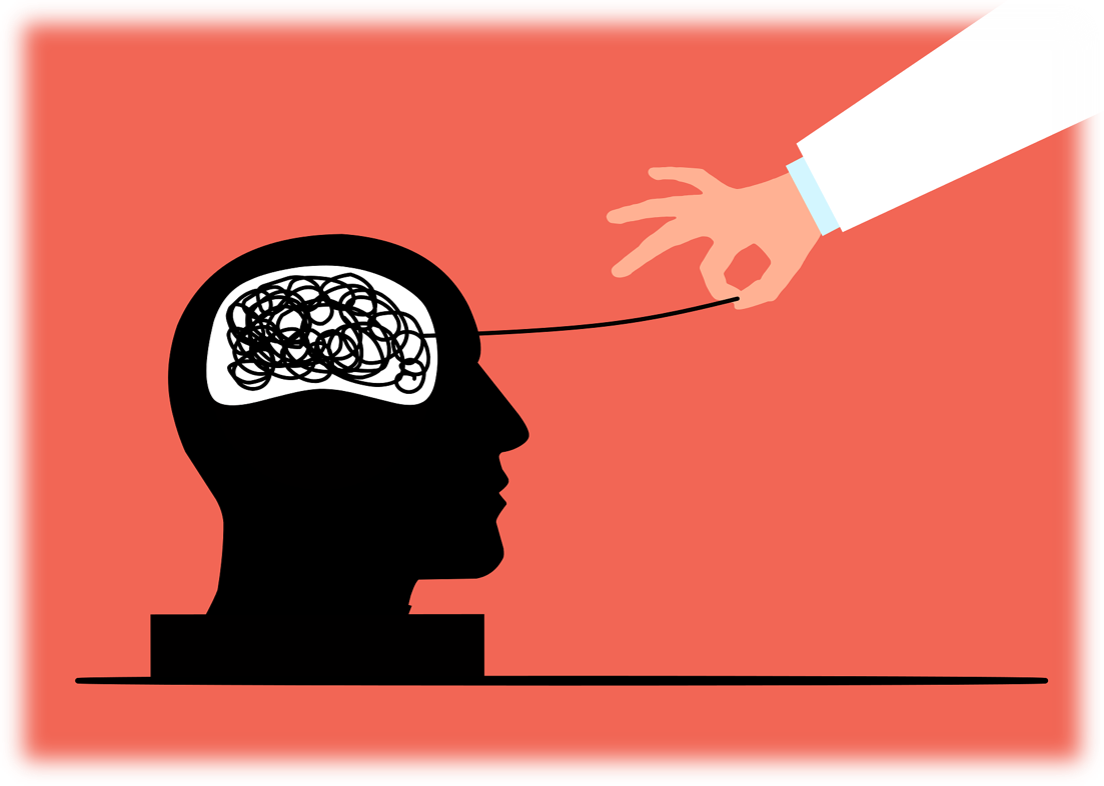
While the use of chatbots in health care settings represents a novel approach to mental health support, it equally exposes a recurring public health challenge and unanswered question: who do we hold responsible and accountable for assessing these risks while ensuring optimal and appropriate care? These same concerns arise when we discuss the opioid crisis, specifically in examining the role that AI chatbots could have in shaping treatment-seeking and related outcomes for patients with opioid use disorder (OUD).
There are several FDA-approved, evidence-based medications for opioid use disorder (MOUD), including methadone, buprenorphine, and naltrexone, that have been demonstrated to lower opioid overdose mortality risk. MOUD initiation and retention are powerful tools in OUD recovery and overdose prevention. Easing patient access to MOUD will not only lower mortality risks, but also have significant impacts on patient recovery journeys, connecting them to other health services, like primary care.7 Despite the benefits of MOUD, only an estimated 25% of patients receive such treatment. This treatment gap is where ChatGPT, Claude, or Gemini may come into the fold.
The consequences of unregulated AI chatbots in the context of overdose are glaring. Yes, AI chatbots provide immediate access and “solutions”, but it is imperative we do not forget that there are no adequate safeguards in place to regulate the responses and outcomes of these chatbots. We can see their failure in the tragic story of a 19-year-old student from California, who passed away from an accidental drug overdose, after seeking medical advice from ChatGPT. The incident occurred after several months of ChatGPT encouraging the student “to engage in increasingly dangerous behaviors”.8 The attorney appointed to this case, Matthew P. Bergman, highlighted the danger of using such AI chatbots for medical advice, stating that “ChatGPT distributed medical advice like a medical professional, despite having no medical license, no training, and no moral compass to do no harm.”8
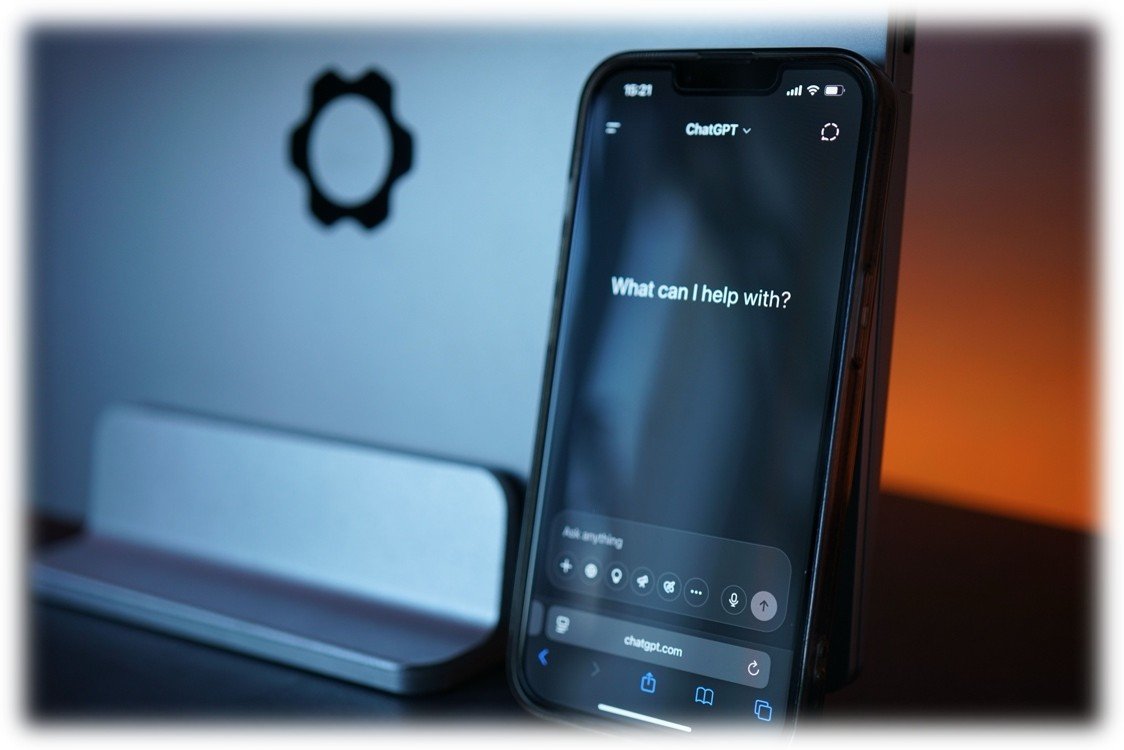
But is unregulated AI the problem or a symptom of something more? As patients increasingly turn towards these unvetted tools, we must also consider a deeper-rooted problem related to mental health and OUD treatment: the currently established healthcare system is not enough to properly support and care for patients in these epidemics. Unfortunately, workforce shortages, persistent stigma related to mental illness and OUD, and challenges reaching those in need before they fall through the cracks still remain.
Ultimately, AI chatbots could represent a potentially new form of health care with increased accessibility, but it is not without pitfalls. Untrained chatbots offering “medical” advice lack training in addiction medicine and mental health and do not have the ability to take action, make needed referrals, or plan for follow-up. At the same time, cost, limited treatment slots, and inadequate health insurance coverage remain as barriers to those who truly need treatment, leaving those without the proper access and resources to turn to alternative measures of seeking care. As we move forward and the sectors of health care, medicine, public health, and research are ever-changing, we should acknowledge that humans and technology, together and individually, can shape the future of care and what it could look like: affordable, accessible, and precise.
The real challenge is to determine what we can do now to ensure that future treatment and care are equitable, safe, accessible, and effective for all. The pathway forward may still be quite different if one relies upon health care chatbots vs. healthcare professionals. Let’s see what ChatGPT has to say.
Works cited:
- National Cancer Institute. https://www.cancer.gov/publications/dictionaries/cancer-terms/def/telemedicine. cancer.gov. Published February 2, 2011. https://www.cancer.gov/publications/dictionaries/cancer-terms/def/telemedicine
- Asimov I. Isaac Asimov’s “Three Laws of Robotics.” webhome.auburn.edu. Published 1942. https://webhome.auburn.edu/~vestmon/robotics.html
- Davis MT, Bohler R, Hodgkin D, Hamilton G, Horgan C. The role of health plans in addressing the opioid crisis: A qualitative study. Journal of Substance Use and Addiction Treatment. 2023;149:209022. https://doi.org/10.1016/j.josat.2023.209022
- Wilcox HC. How to partner AI with human compassion in suicide prevention. The Hill. Published December 12, 2025. Accessed May 13, 2026. https://thehill.com/opinion/technology/5644665-ai-chatbots-suicide-prevention/
- Test how AI chatbots answer mental health questions — and how therapists think they did. Wbur.org. Published May 7, 2026. Accessed June 12, 2026. https://www.wbur.org/news/2026/05/07/ai-chatbots-therapy-artificial-intelligence-psychology-conversations
- Larochelle, M. R.; Bernson, D.; Land, T.; Stopka, T. J.; Wang, N.; Xuan, Z.; Bagley, S. M.; Liebschutz, J. M.; Walley, A. Y. Medication for Opioid Use Disorder After Nonfatal Opioid Overdose and Association With Mortality. Annals of Internal Medicine 2018, 169 (3), 137. https://doi.org/10.7326/m17-3107.
- Sokol, R.; Tammaro, E.; Kim, J. Y.; Stopka, T. J. Linking MATTERS: Barriers and Facilitators to Implementing Emergency Department-Initiated Buprenorphine-Naloxone in Patients with Opioid Use Disorder and Linkage to Long-Term Care. Substance Use & Misuse 2021, 56 (7), 1045–1053. https://doi.org/10.1080/10826084.2021.1906280.
- Parents Sue OpenAI After ChatGPT Medical Advice Is Blamed for Overdose Death; 2026. https://law.yale.edu/yls-today/news/parents-sue-openai-after-chatgpt-medical-advice-blamed-overdose-death (accessed 2026-07-23).